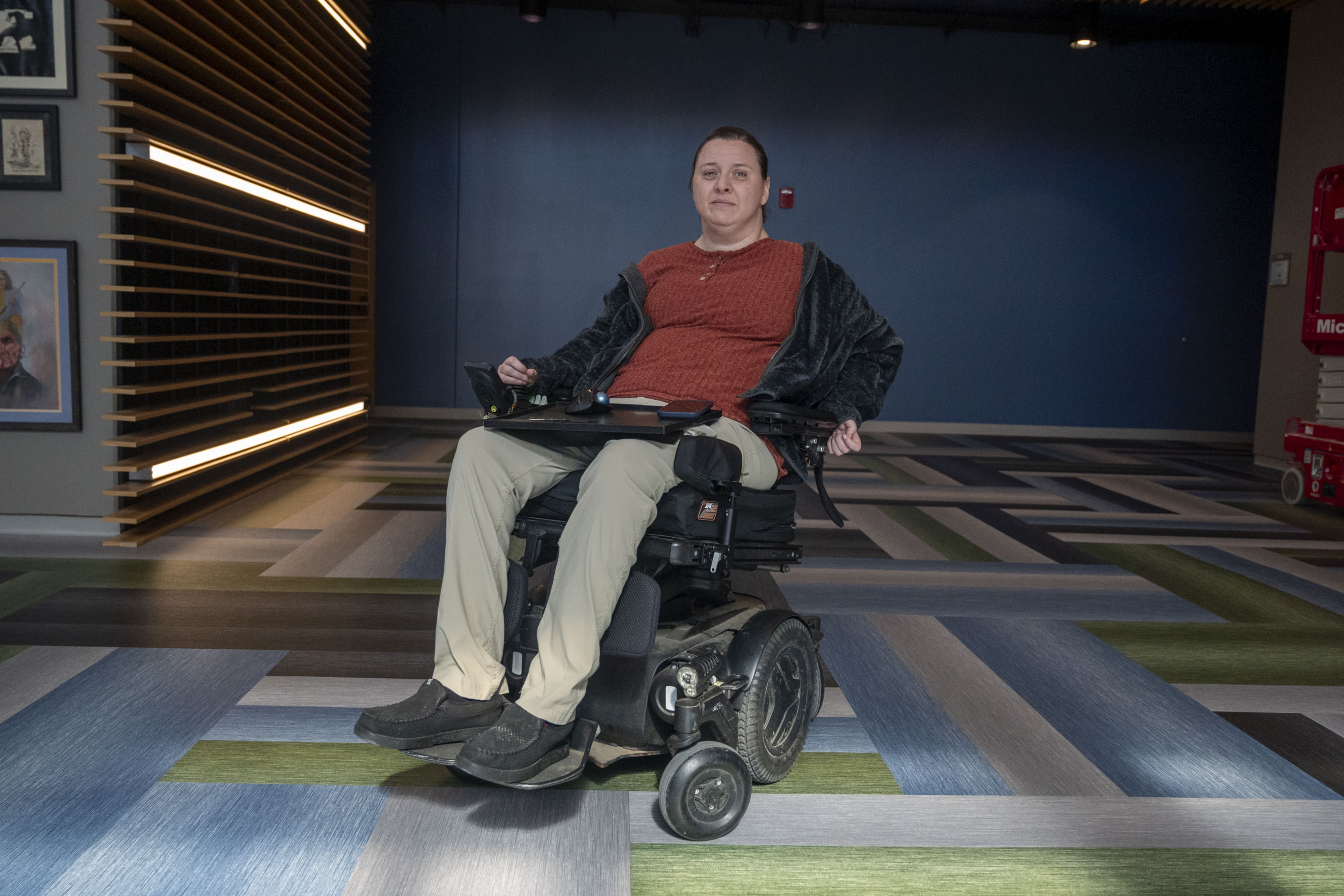
Special Medicaid programs in many states allow disabled people to work while receiving benefits, and most limit how much participants can earn and the assets they can hold. Some Iowans are pushing lawmakers to remove those limits, which they say can dampen their career prospects.

KFF Health News gives readers a chance to comment on a recent batch of stories.

Hospitals and other medical providers are increasingly asking for payment before providing care, collecting more of what patients might owe as rising insurance deductibles add to Americans' financial pressures.
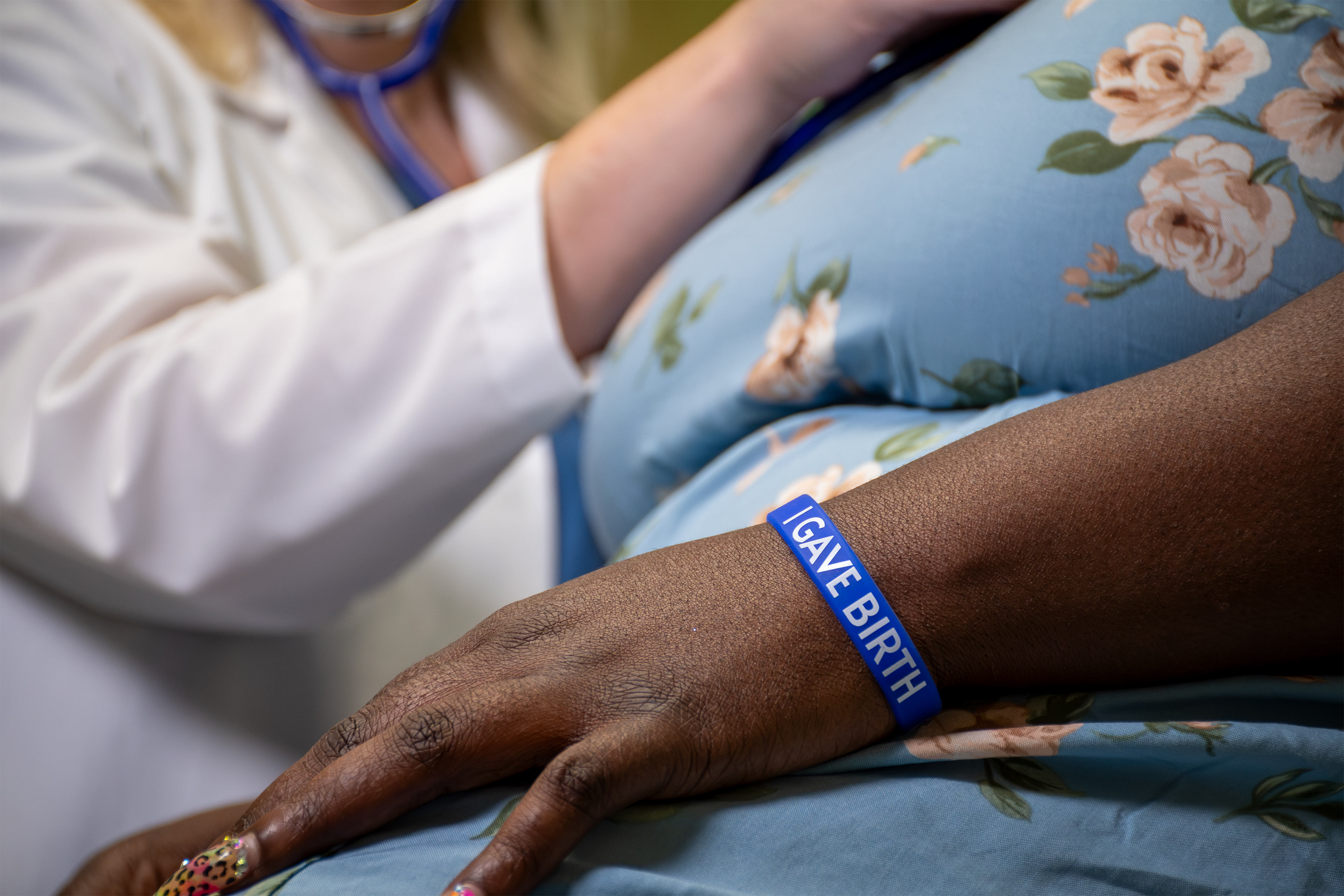
North Carolina and other states have embraced “I Gave Birth” wristbands as a way to encourage women to seek help when they have postpartum complications. They’re gaining steam as the Trump administration’s cuts to Medicaid threaten postpartum care.
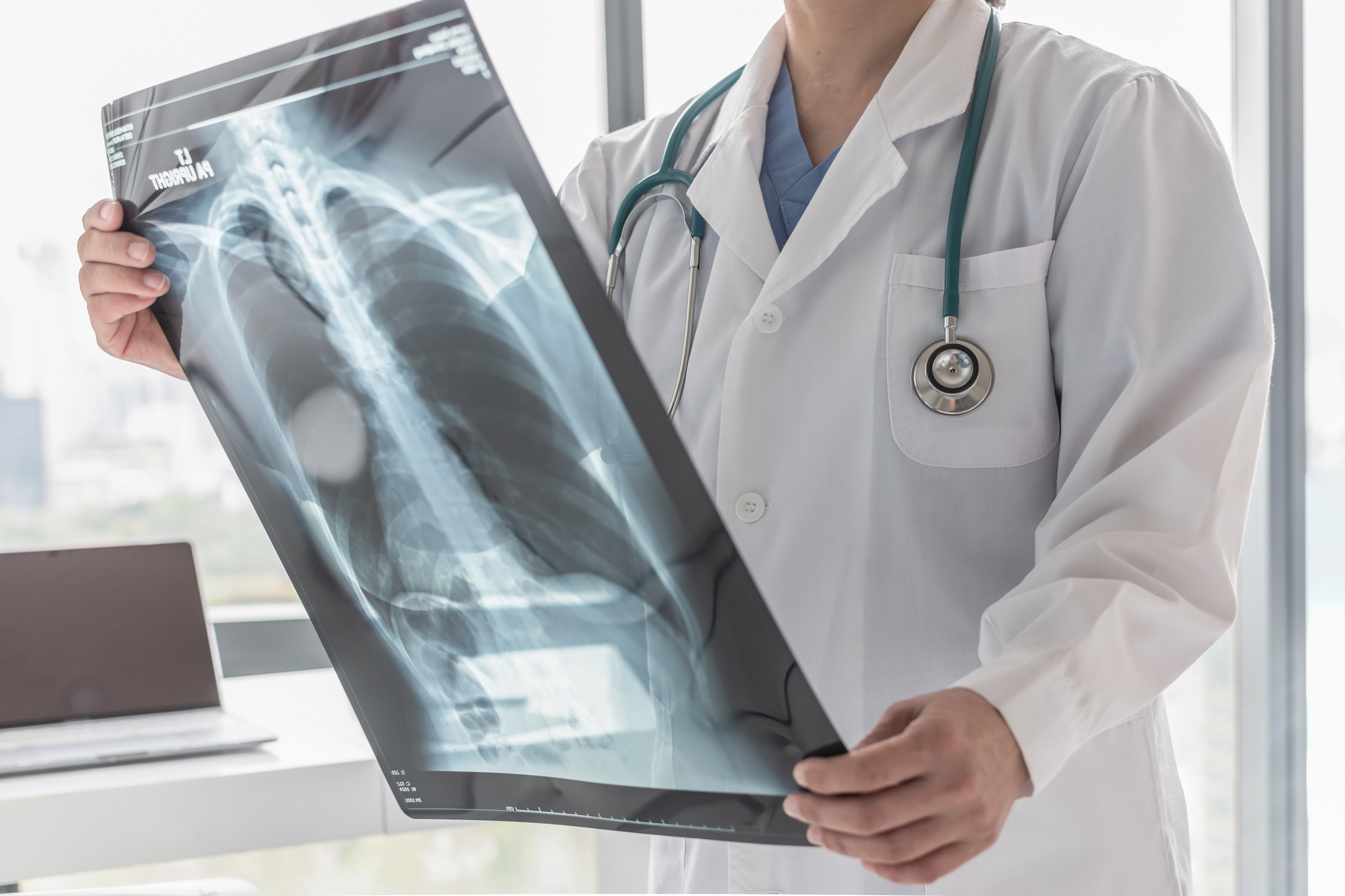
Lung cancer remains the leading cause of cancer deaths in the United States, and older adults are at higher risk. But only about a quarter of patients eligible for screening are up to date.
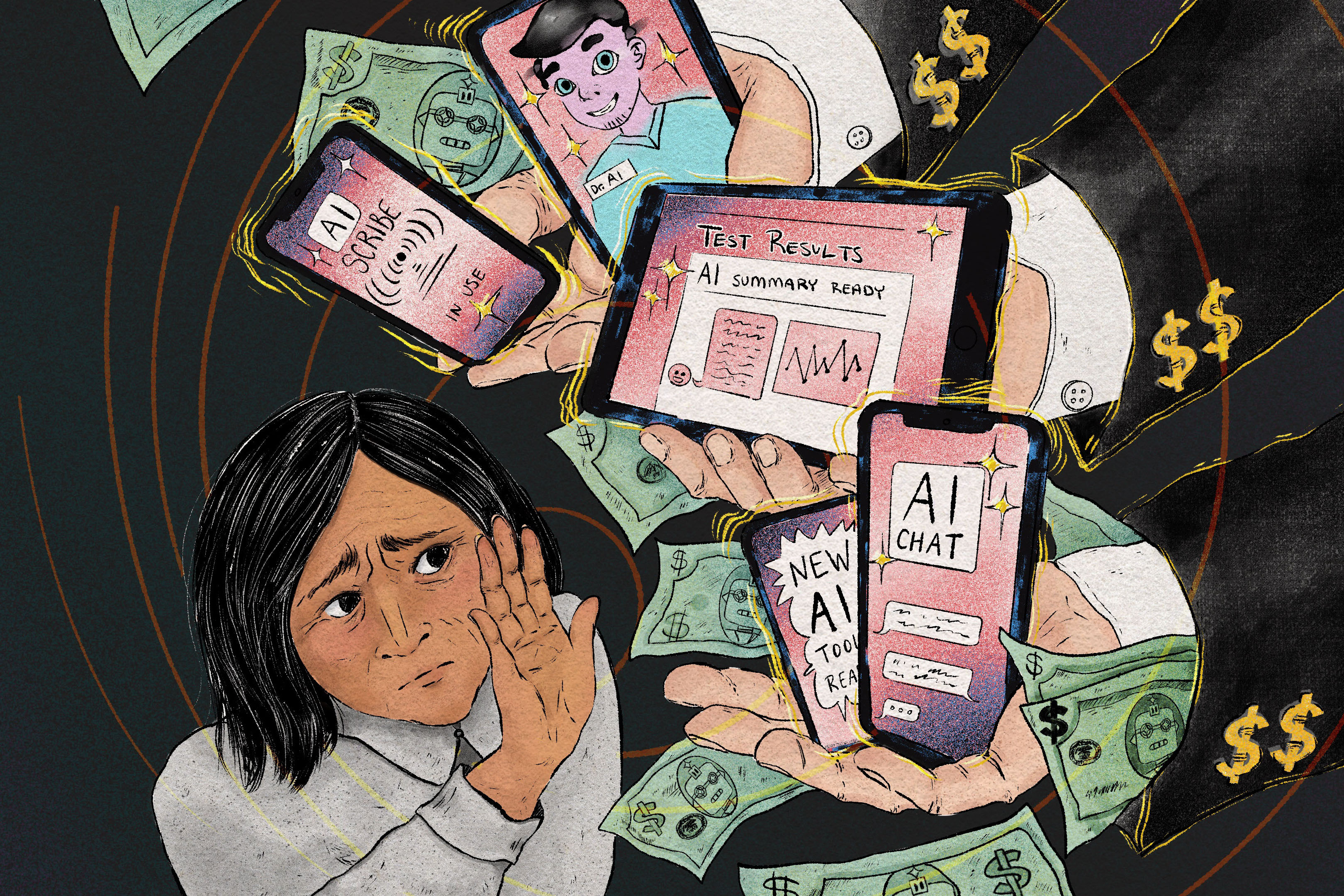
The $50 billion federal Rural Health Transformation Program is set to flood rural America with new AI health tools. That’s despite little evidence on whether health-related AI can improve access to care and patient health in those communities.
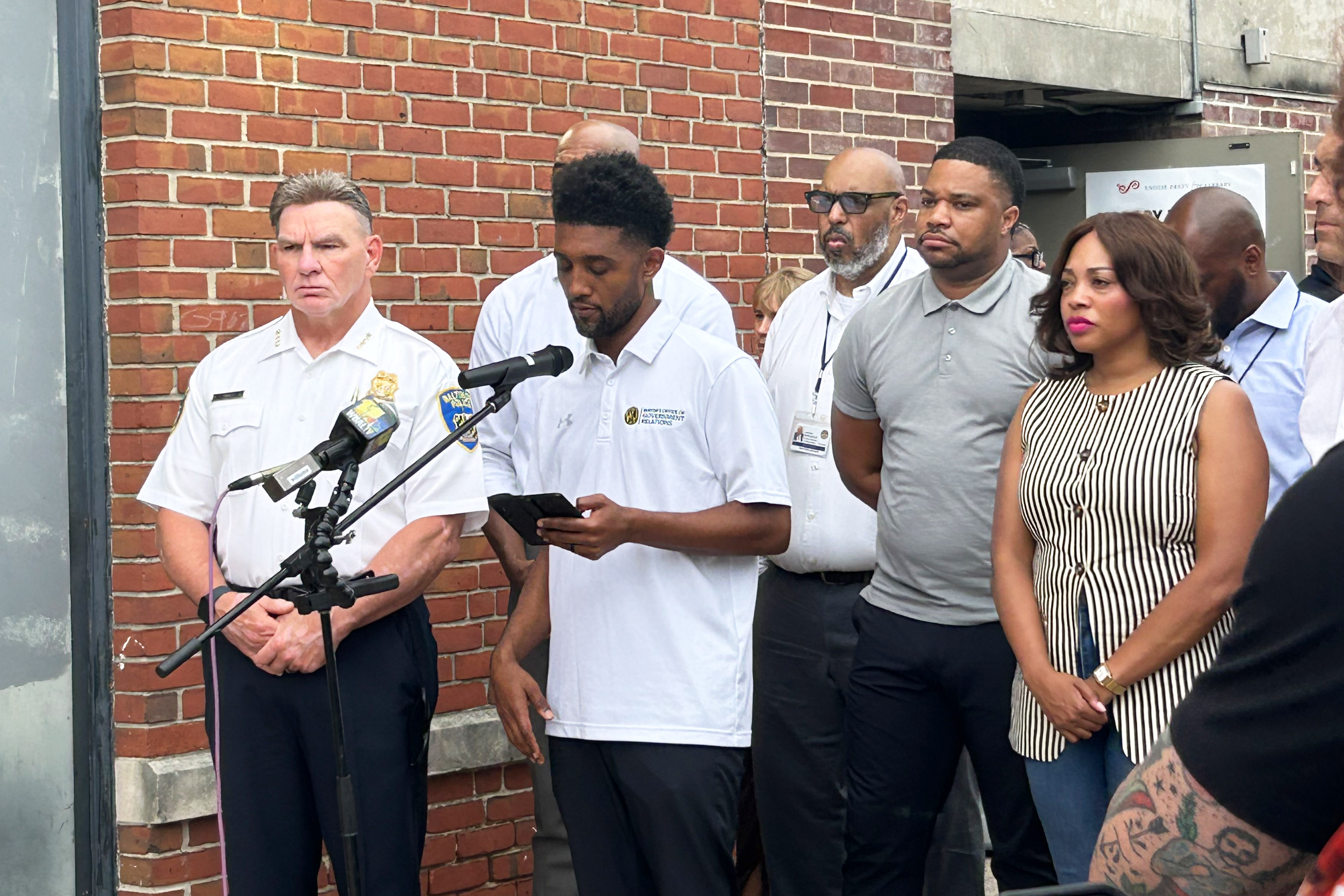
Drug test strips are credited with saving lives, but a new policy will limit how funds can be used for them. Advocates of harm reduction strategies who responded to a mass overdose in Baltimore say distributing them will get harder. Federal officials say the strips enable drug use.
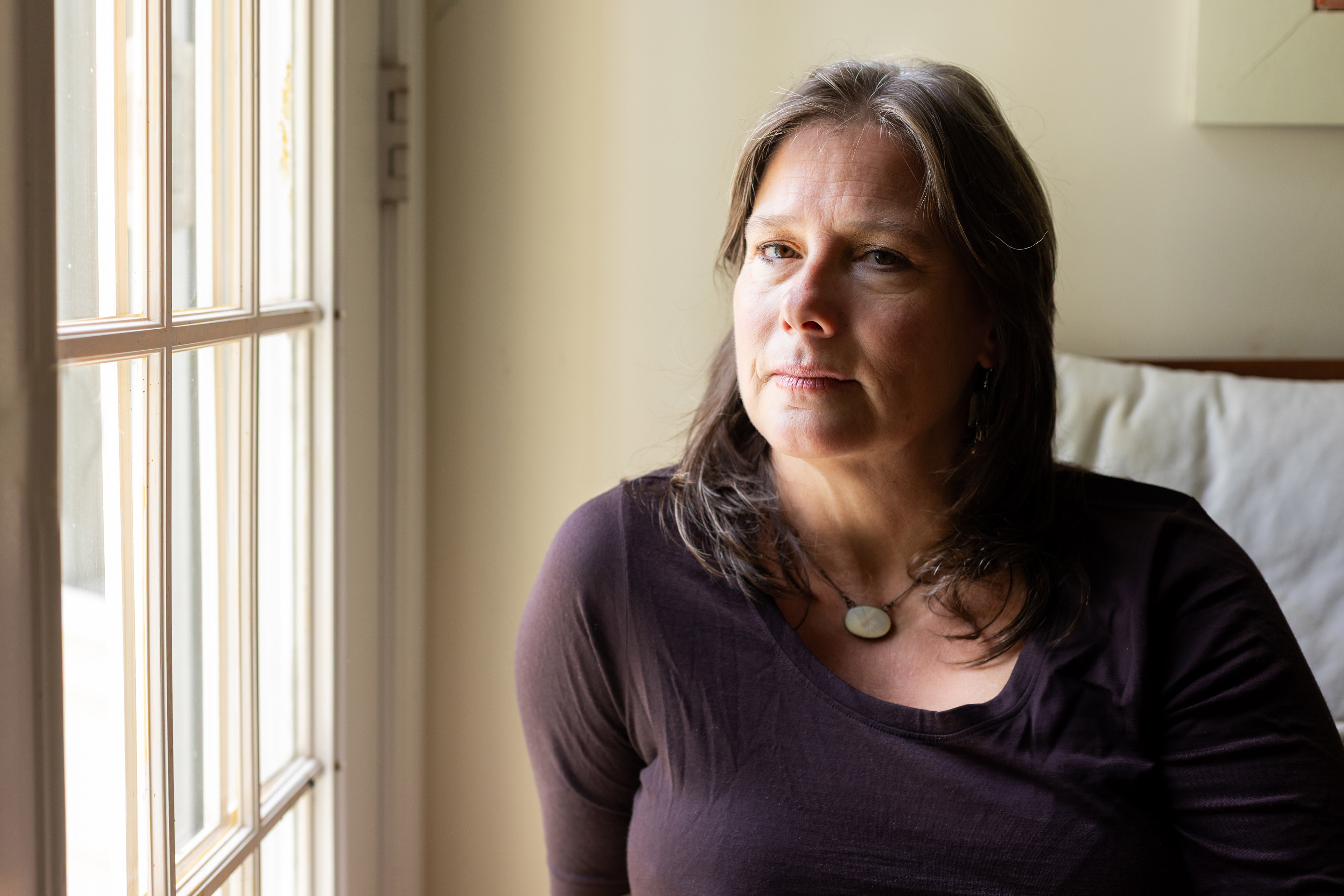
A federal disclosure rule is offering new insight on the effect of healthcare monopolies on pricing, following a wave of U.S. mergers.
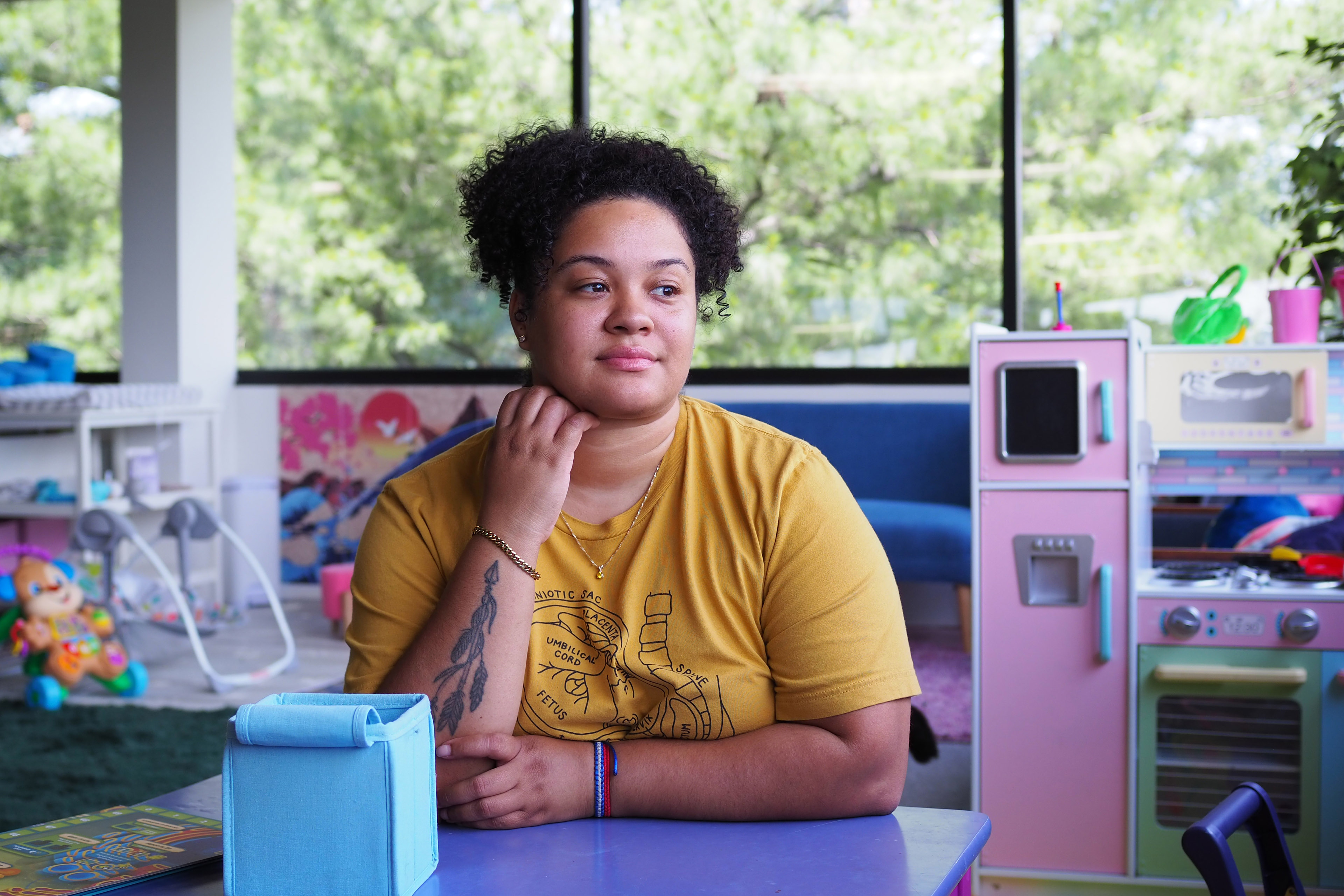
Virginia Medicaid started covering doula care four years ago. But logistical and administrative challenges leave many expectant parents without the support of a doula.
The "KFF Health News Minute" brings original healthcare and health policy reporting from our newsroom to the airwaves each week.
