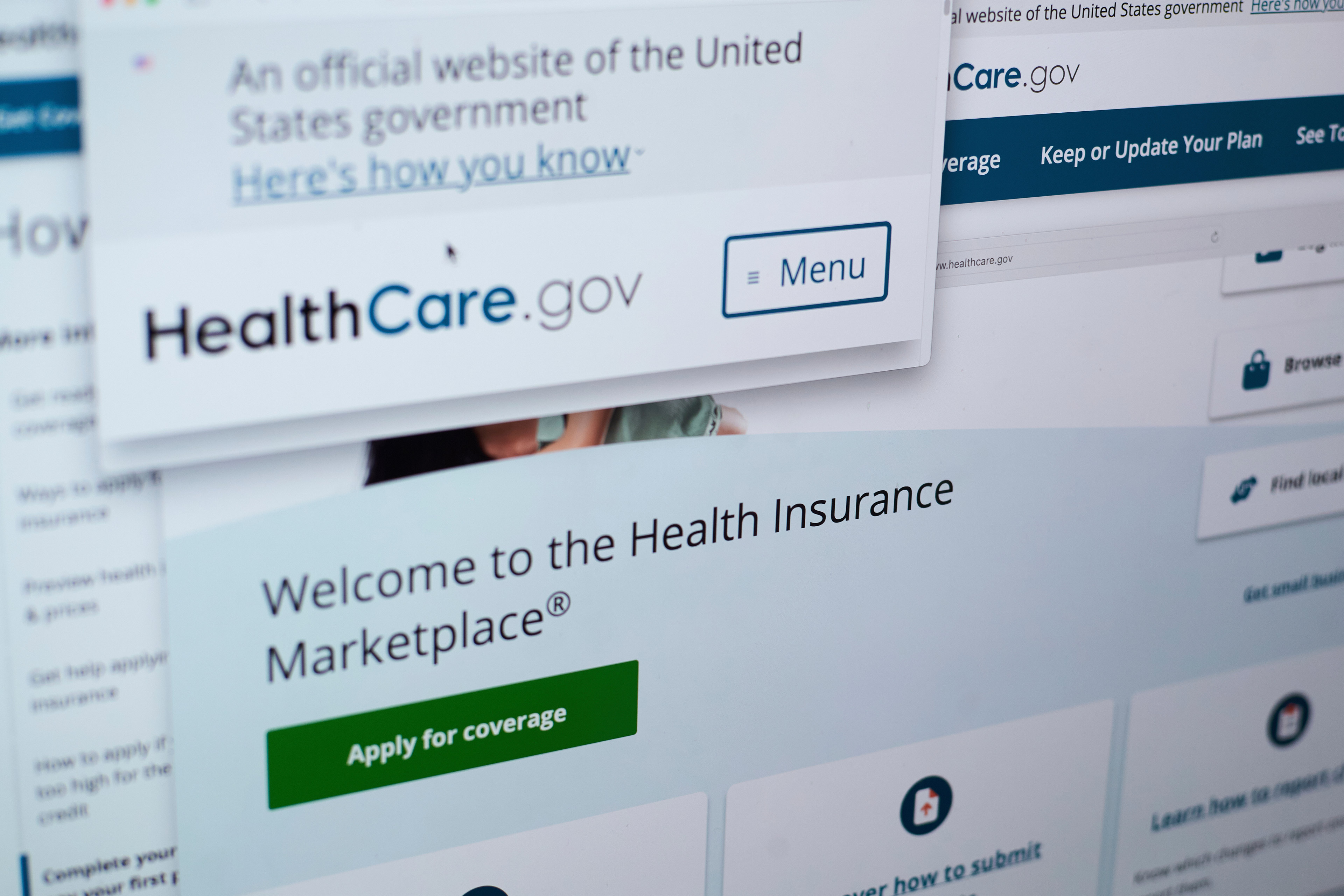
As open enrollment for Affordable Care Act health insurance kicks off, consumers face rising premiums, additional identity checks, and fewer brokers.
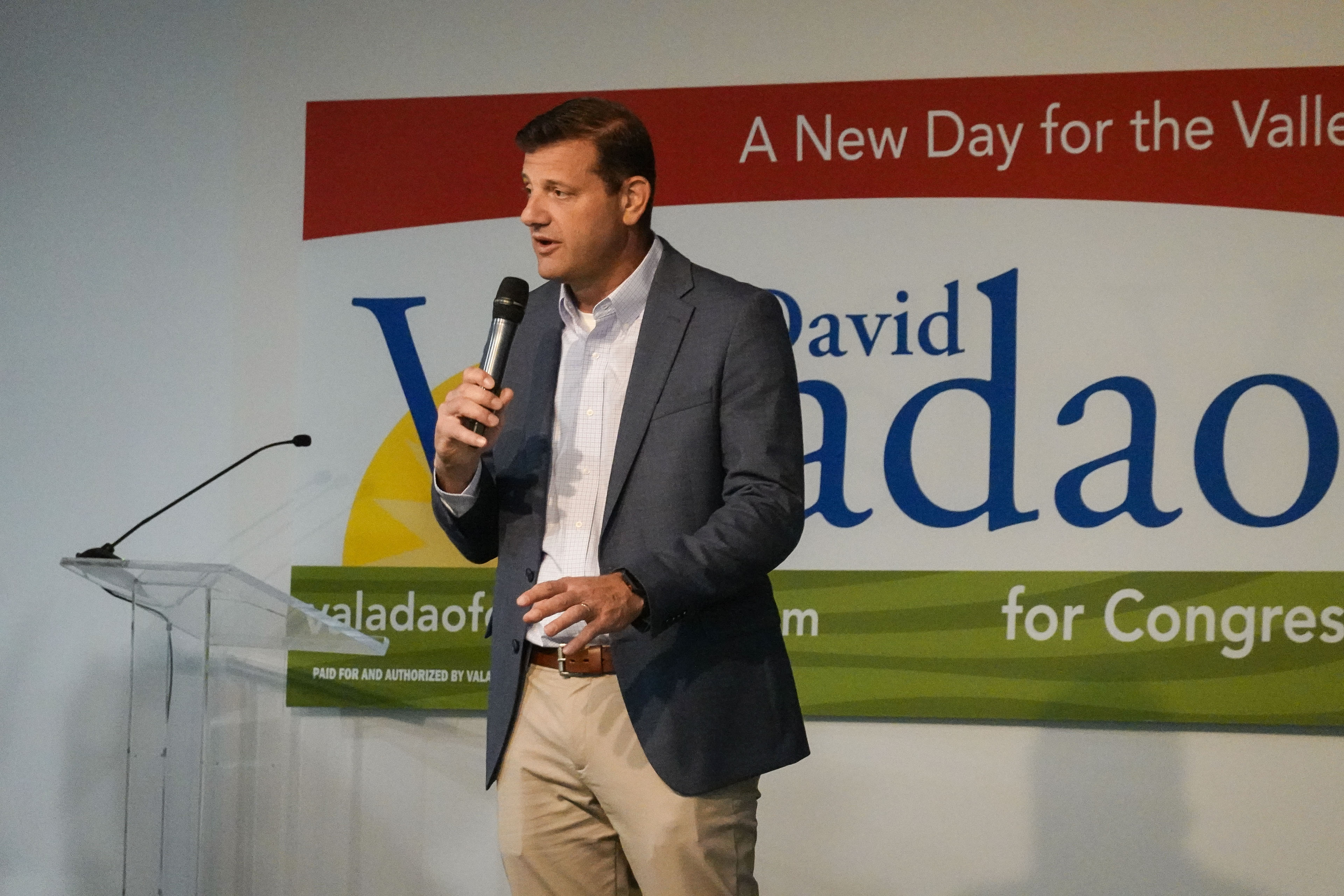
In a race that could help decide control of Congress, Republican U.S. Rep. David Valadao is trying to hold on to his swing-district seat. The congressman didn’t mention healthcare at a recent campaign rally in Bakersfield, but voters can't stop talking about it.
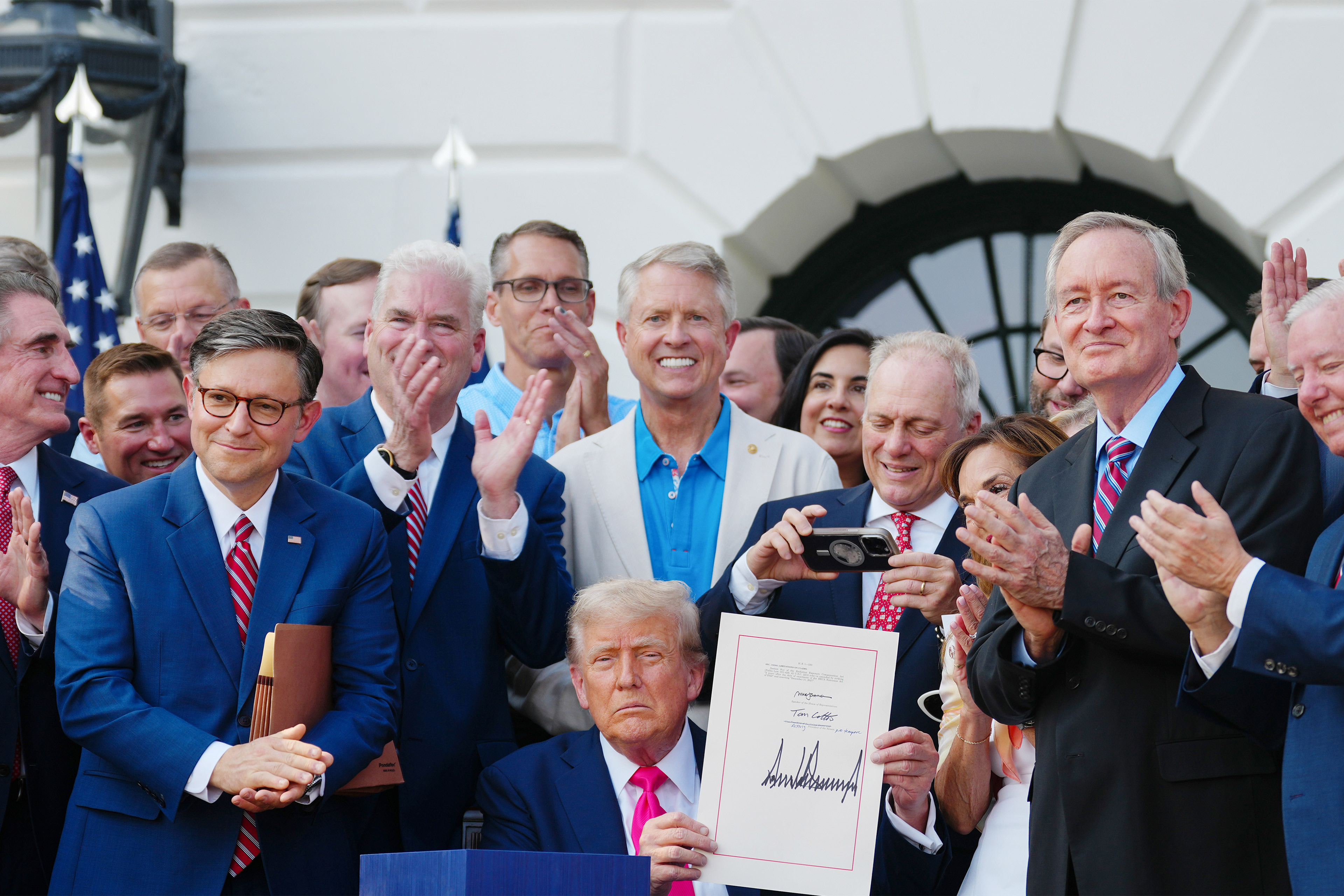
Hundreds of thousands of lawfully present immigrants could lose government health coverage. This change stems from healthcare cuts in a GOP budget law. KFF Health News’ Andrew Jones tells WAMU’s “Health Hub” which Medicaid enrollees are affected and shares resources for newly uninsured people in the Washington, D.C., area.

Employers saw their healthcare premiums rise 5% this year — and some passed on that burden to workers — as the cost of family coverage in job-based insurance exceeds $28,000 for family plans.

The "KFF Health News Minute" brings original healthcare and health policy reporting from our newsroom to the airwaves each week.
The Trump administration pushed back a rule — until after the midterm elections — that would complicate Americans’ access to less expensive medication imports from Canada and other countries.

The Trump administration has tied billions in rural health funding for states partly to the policy commitments they make, including ending their certificate of need, or CON, laws governing the construction of new hospitals.
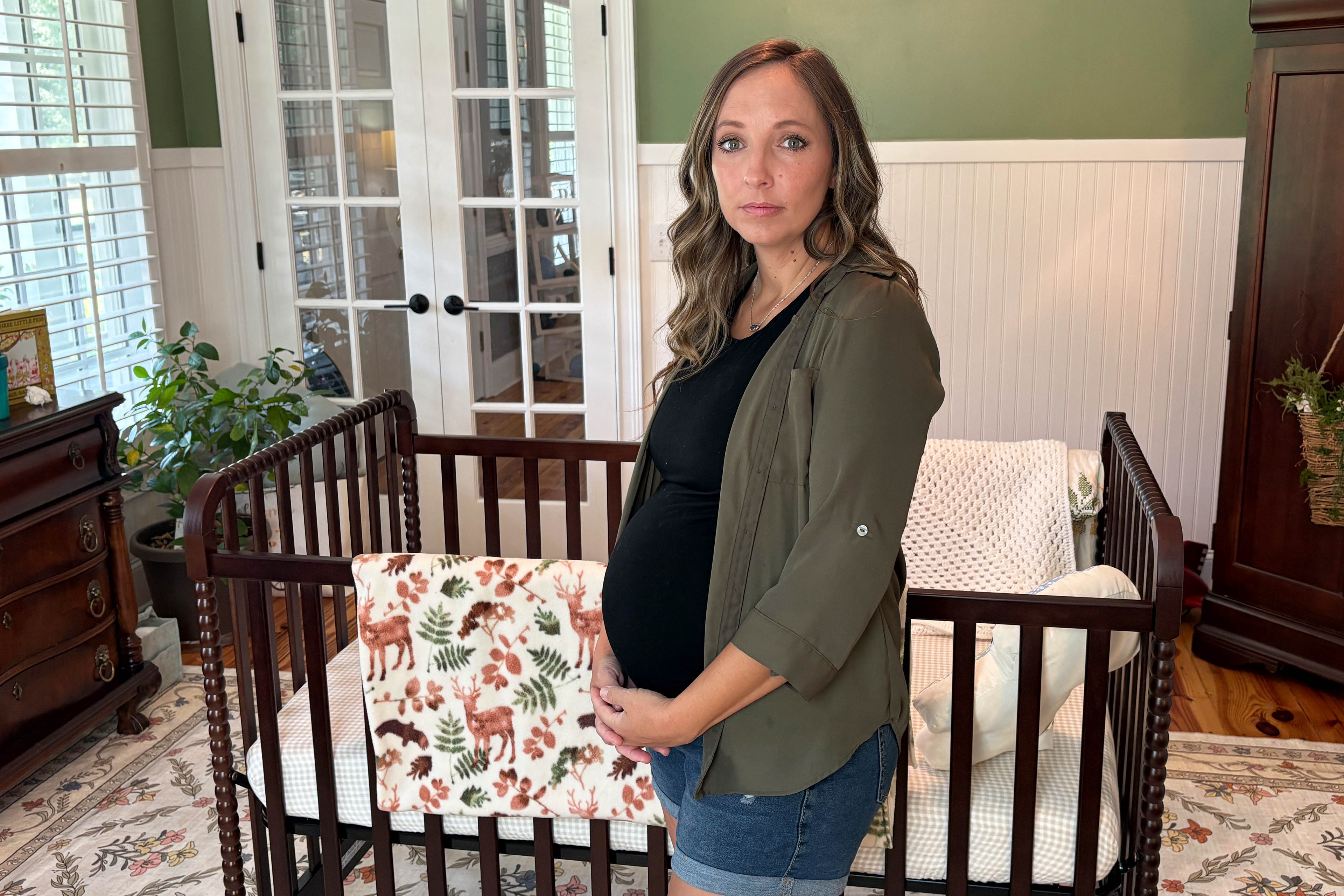
Most of Georgia’s counties are without a labor and delivery unit. To fill the gap, the state is looking to equip emergency rooms to handle obstetric emergencies. Advocates and doctors worry, however, that the ER is being used as a stopgap.

Oregon passed a law to require hospitals to proactively screen patients to see if they qualify for financial aid. Patients got immediate relief. Hospitals pushed to roll back the law following federal cuts to Medicaid and Affordable Care Act subsidies.
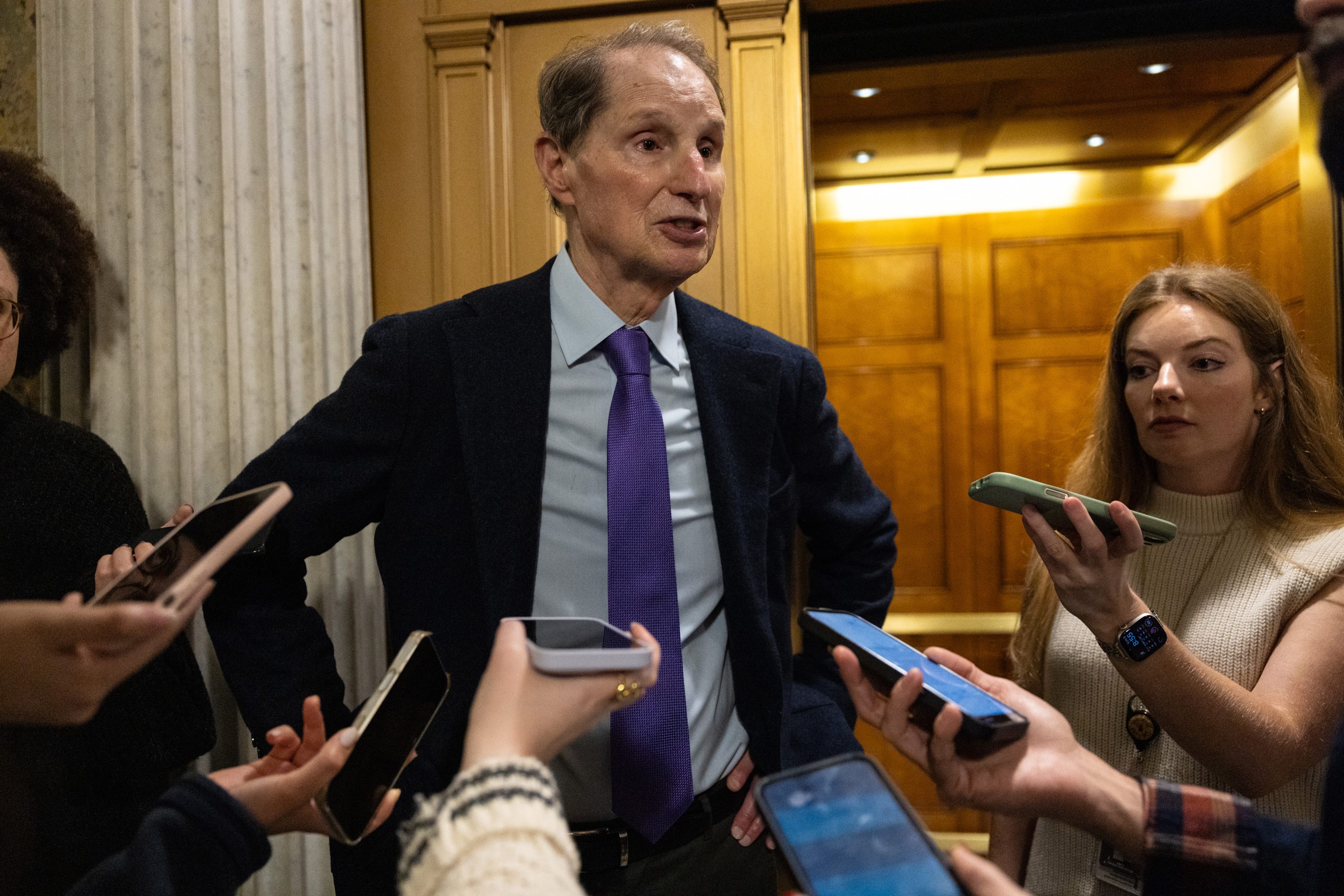
A year after launching an inquiry into companies, including Deloitte, that receive billions in taxpayer dollars to build complex computer systems determining Medicaid eligibility, senators are urging the federal government to impose stricter rules.
